Navigating Cancer Care: Essential Tips, Latest Treatments, and Support for Patients
When faced with the daunting journey of cancer treatment, patients often feel overwhelmed, confused, and, at times, utterly isolated. However, tapping into effective cancer care can make a world of difference. So, what are the secrets to navigating this maze of challenges? Is it being well-informed, embracing wellness strategies, or perhaps engaging with support groups? As we unlock these secrets, armed with the latest oncology news and insights, you’ll find yourself better prepared to tackle what lies ahead.
The heart of cancer care begins with patient education. Knowing the ins and outs of your diagnosis and potential treatments is invaluable. For instance, understanding the differences between chemotherapy, radiation therapy, and the emerging field of immunotherapy can empower you to have meaningful conversations with your healthcare team. Did you know that according to cancer statistics, the success of treatment is significantly higher when patients are actively involved in their care? Knowledge truly is power, especially when it comes to disease management.
Moreover, taking actionable steps to incorporate lifestyle changes can serve as a vital part of your cancer prevention strategy. Nutrition and cancer go hand in hand, and fueling your body with wholesome foods can enhance your overall wellness. Picture this: instead of relying solely on medical resources, you augment your treatment with nourishing meals, mindfulness practices, and physical activity. How refreshing would that be? As the adage says, "You are what you eat!" How about making each meal an opportunity to support your body during this journey?
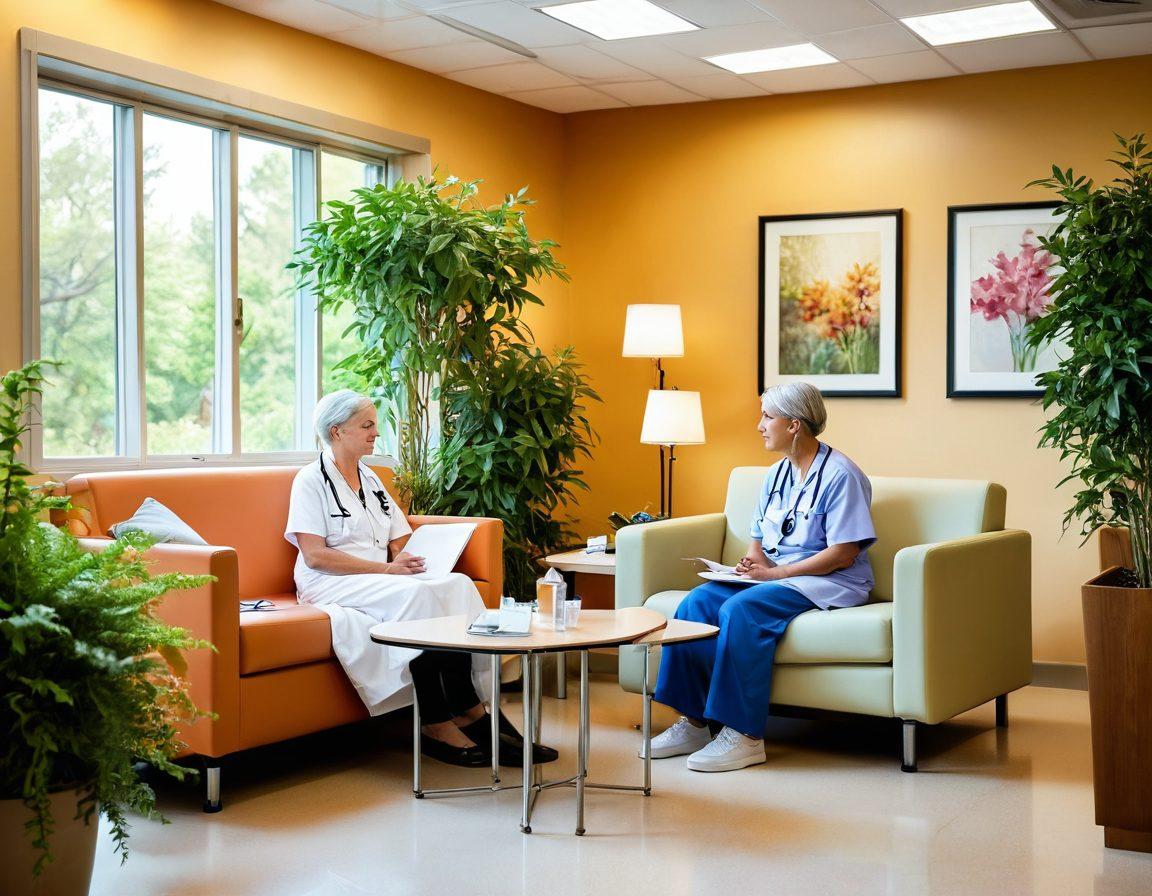
As you delve deeper into cancer care, remember the role of support groups. These unique communities provide a listening ear and a wealth of shared experience where members can discuss their health tips and personal stories of survivorship. Have you ever felt like no one understands your struggle? A support group can bridge that gap. Whether physically or online, connecting with others who share similar experiences fosters an invaluable sense of camaraderie and hope. After all, sharing is not just caring; it’s healing.
Lastly, don’t underestimate the importance of mental health throughout your treatment journey. Cancer care is not only about treating the physical symptoms; it’s also about caring for your emotional well-being. Robust mental health practices, perhaps involving therapy or engaging with medical blogs that resonate with you, are crucial. It’s okay to seek help, and embracing holistic health can ultimately enhance your quality of life. So, ask yourself: how can you nurture your mind during treatment? Remember, every little strategy counts toward navigating your cancer care effectively.
Exploring Cutting-Edge Treatments and Support Networks in Oncology
When it comes to cancer care, navigating the maze of available treatments and support networks can feel overwhelming. The diagnosis alone is a life-altering moment, leaving many patients and their families grappling with complex decisions about cancer treatment options, from chemotherapy and radiation therapy to the newest immunotherapy protocols. With every step taken, the question lingers: how can I access the best medical resources to enhance my journey through cancer? This blog aims to shed light on the cutting-edge treatments available and how to find the right support systems to empower both patients and caregivers in the battle against cancer.
One of the most exciting areas in oncology news today is the advancement of clinical trials. These trials not only pave the way for innovative treatment options but also provide patients with access to the most current medications and therapies before they're available to the general public. For many, participating in a clinical trial can be a life-saving decision. As startling cancer statistics demonstrate, early participation in these trials can lead to better disease management. So, what inspires you to seek out the latest treatments that could make a difference for you or a loved one?
But it isn’t just about the treatments. Cancer care encompasses a holistic approach to wellness and survivorship. With emerging health tips that focus on lifestyle changes—like nutrition and cancer being a crucial aspect of recovery—patient education is more essential than ever. Implementing wellness strategies such as exercise and mental health resources has shown to improve patient outcomes and overall quality of life. How might you integrate these strategies into your daily routine? It could be as simple as swapping out a few snacks for healthier alternatives or finding a local support group that focuses on holistic health during recovery.
Support networks play a vital role in a patients’ cancer journey. Connecting with others who understand the emotional and physical toll of the disease can significantly enhance coping mechanisms. Joining a support group not only provides emotional backing but also fosters a sense of community among those who share similar experiences. Imagine sharing your feelings with someone who truly gets it, and learning from their journey! Support groups can be found through various medical blogs, local hospitals, or community health centers, ensuring you have a network to lean on during difficult times.
Lastly, being informed about your health and treatment options is a form of self-empowerment. Engaging with quality cancer care resources, whether through reliable health blogs, oncology specialists, or dedicated websites, opens the door to personalized care solutions. Whether it’s understanding how to manage cancer symptoms or diving deep into available wellness strategies, knowledge is a powerful tool. So, what’s the next step on your cancer care journey? Will you propel yourself forward armed with the latest information and support? The path may be challenging, but with the right resources and a strong support system, you are not walking it alone.
Empowering Your Journey: Wellness Strategies and Resources for Cancer Survivors
When it comes to surviving cancer, the journey is as unique as each individual who walks it. But there’s a universal truth that bonds us together: the fight against cancer is multifaceted and often overwhelming. For many cancer survivors, the road to recovery doesn’t simply end with a clean bill of health; it evolves into an empowering journey of wellness strategies that encompass physical, emotional, and mental health. How can you transform your experience into a holistic approach to survivorship? What resources can bolster your resilience in the aftermath of treatment? Let’s explore how you can actively shape your path toward comprehensive wellness.
First and foremost, let’s tackle some critical aspects of **cancer care** and **nutrition and cancer**. Nutrition plays a pivotal role not just in recovery but in adopting a lifestyle that bolsters your overall health. Research suggests that a balanced diet rich in fruits, vegetables, and whole grains can support your immune system and aid in disease management. As a cancer survivor, it’s essential to embrace food as a healing tool. Have you considered consulting with a nutritionist who specializes in oncology? Taking charge of your plate can be one powerful strategy in your wellness toolkit.
Another crucial element is understanding **cancer symptoms** and being aware of your body’s signals. Survivorship doesn’t mean that the work is done; regular follow-ups and self-assessments become part of your ongoing journey. Join support groups where you can share knowledge and experiences around **cancer treatment** and persistent side effects. Sharing your narrative offers comfort to others navigating the same path and allows room for collective healing and inspiration. Together, you can dive into **oncology news** to keep up with the latest advancements in areas such as **immunotherapy** and **radiation therapy**, ensuring you remain informed about your health options.
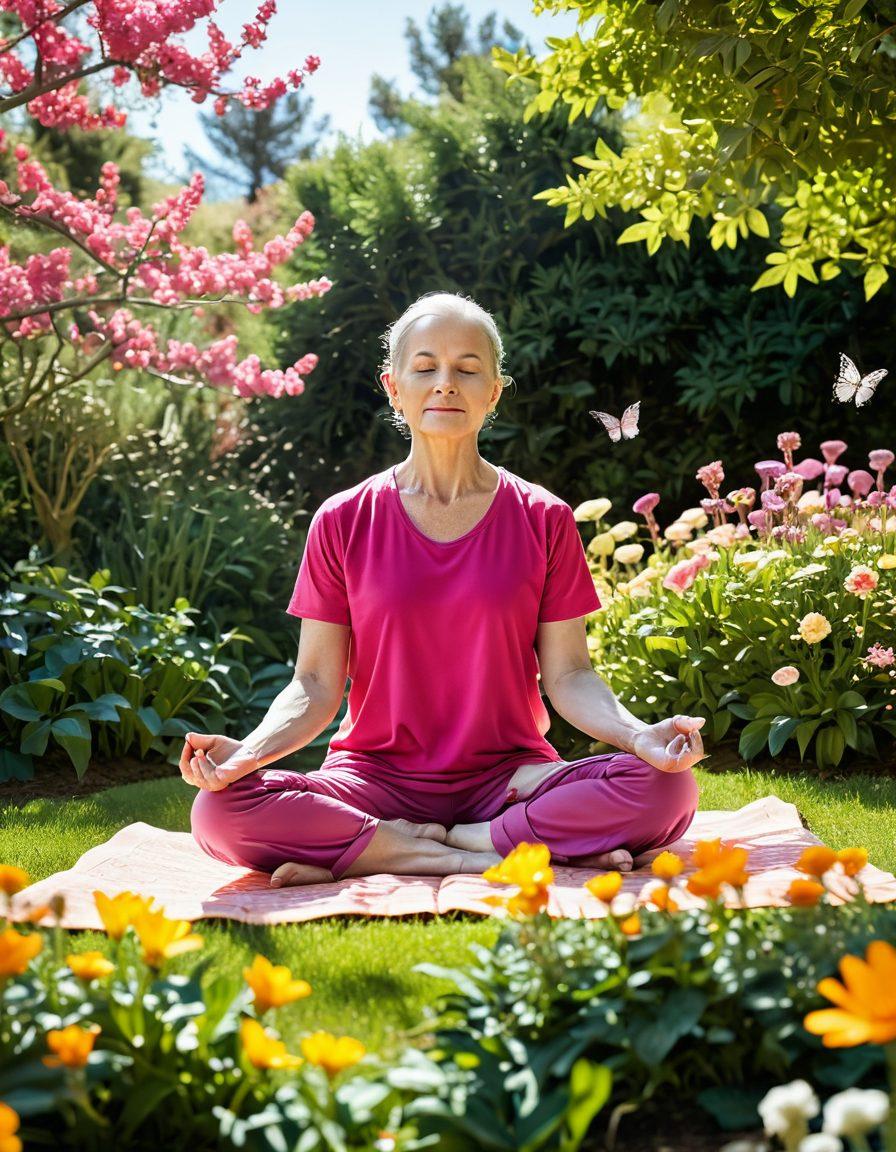
Mental health can often be overlooked in the quest for physical recovery, but it deserves significant attention. The emotional roller coaster that follows a cancer diagnosis can be profound. What strategies have you incorporated to nurture your mental wellbeing? Engaging in activities like mindfulness, yoga, or journaling can encourage a positive mindset and emotional clarity. Furthermore, exploring **medical blogs** and literature on survivorship can provide useful insights that resonate with your experiences, bridging the gap between medical fact and personal narrative.
Lastly, remember that you’re not alone on this journey. Resources such as clinical trials and patient education programs can help you stay proactive about your health. Are there local health workshops available in your community? Reach out to medical resources that offer guidance in adjusting your lifestyle to mitigate the risk of recurrence. After all, **cancer prevention** is just as vital. By arming yourself with knowledge, embracing wellness strategies, and participating in support groups, you can cultivate an empowered approach to your personal journey as a cancer survivor. The statistics around survival are improving every year; your story is part of that positive change.